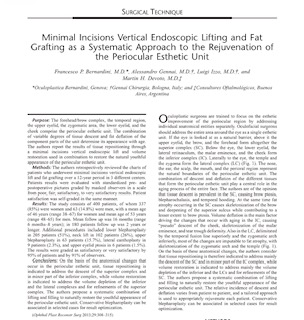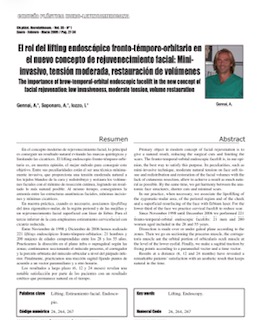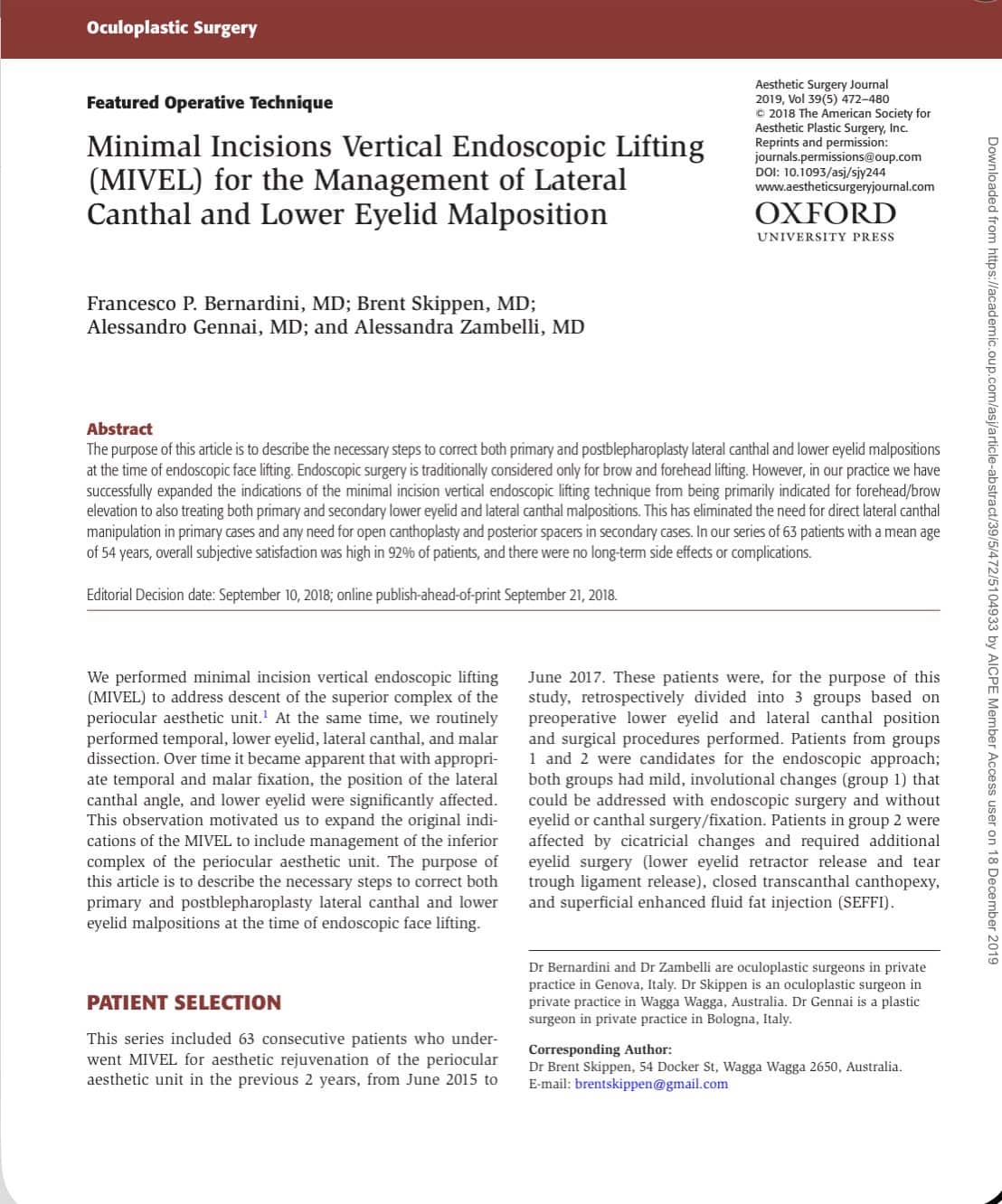
MIVEL (Minimal Incisions Vertical Endoscopic Lifting)
represents a modern and structured approach to facial rejuvenation based on endoscopic anatomy, vertical vectors, and deep tissue repositioning.
It was developed to move beyond traditional facelift concepts by focusing on anatomical restoration rather than skin traction, allowing natural, stable, and scarless results.
The MIVEL technique is performed through limited and concealed incisions, using endoscopic visualization to access deep surgical planes with precision and safety.
This approach enables controlled dissection, accurate identification of anatomical landmarks, and vertical repositioning of facial structures while fully preserving facial expression and identity.
Rather than a single procedure, MIVEL is conceived as a progressive surgical system, articulated into three distinct levels—MIVEL I, MIVEL II, and MIVEL III—each defined by the anatomical extent of dissection and the clinical objective of rejuvenation.
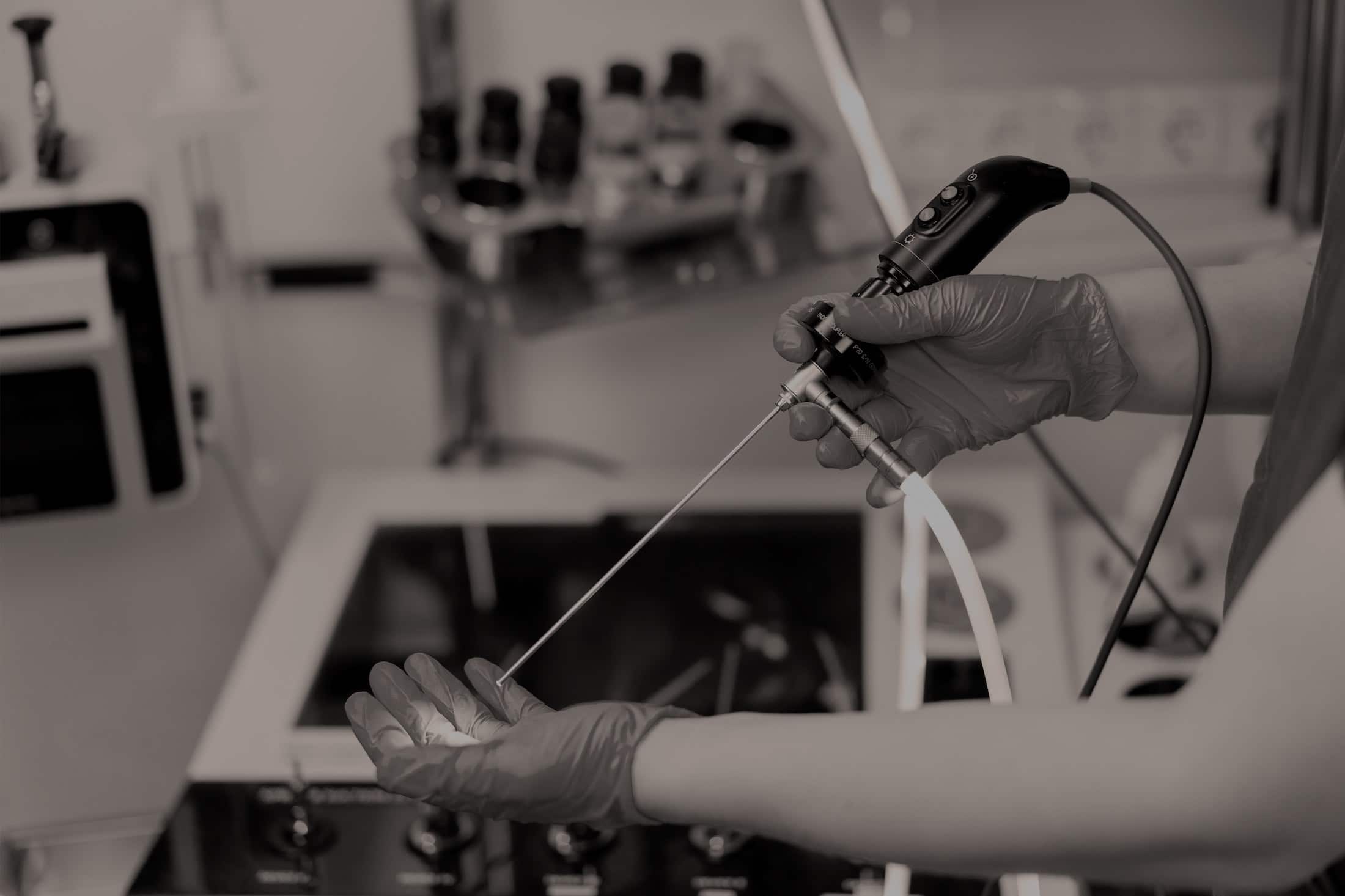

Rather than a single procedure, MIVEL is conceived as a progressive surgical system, articulated into three distinct levels—MIVEL I, MIVEL II, and MIVEL III—each defined by the anatomical extent of dissection and the clinical objective of rejuvenation.
Across all its levels, MIVEL is defined by shared principles: minimal and concealed incisions, vertical endoscopic vectors, respect for functional anatomy, avoidance of cutaneous tension, and reproducible results that remain stable over time.
It is not conceived as a trend-driven technique, but as a coherent endoscopic lifting philosophy, adaptable to different degrees of aging and capable of evolving with surgical expertise.
MIVEL is not a single operation.
It is a progressive endoscopic system designed to restore the face from within.
References